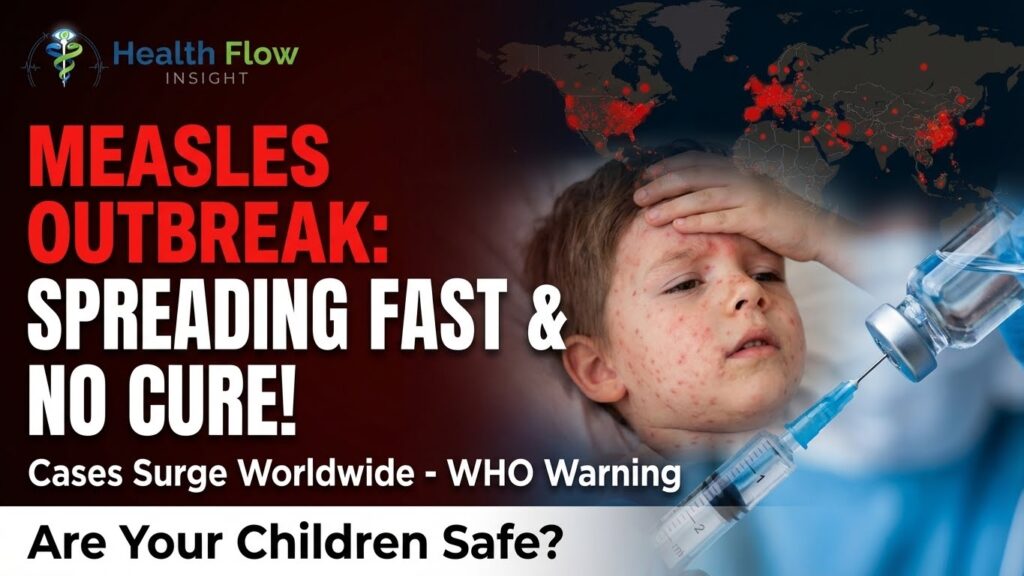
📢 Measles Outbreak 2025: Why This Once-Controlled Disease Is Surging Again
Measles, a disease once close to global elimination, is now making a dramatic and alarming comeback. According to the World Health Organization (WHO), measles cases surged to over 11 million infections worldwide last year, reversing decades of progress. The rise in cases is so rapid that global health experts say the world is now far from achieving measles elimination, a milestone once within reach.
The primary reason? Declining vaccination rates.
To stop measles from spreading, communities need at least 95% vaccination coverage to achieve herd immunity. Unfortunately, many parts of the world have dropped well below this threshold, leaving millions — especially children — unprotected.
The WHO warns:
“Without sustained attention, hard-fought gains can easily be lost. Where children are unvaccinated, outbreaks occur.”
Their advisory group (SAGE) confirms that measles resurgence is appearing even in countries that had previously achieved, or were close to achieving, elimination.
📈 Measles Rising in the United States
The United States is experiencing its highest measles surge in 33 years, with over 1,798 confirmed cases this year. This marks a dangerous turning point, as pockets of low immunization continue to fuel outbreaks in multiple states.
👶 Who Is Most at Risk?
Children, unvaccinated individuals, and pregnant women face the highest risks. Measles is so contagious that one infected person can spread it to up to 90% of unvaccinated people around them.
Routine vaccination is given at:
- 12–15 months (first dose)
- 4–6 years (second dose)
However, babies as young as 6 months can receive the vaccine during outbreaks or before travel.
⚠️ Serious Complications of Measles
According to the CDC, measles can lead to severe and sometimes permanent complications:
- Pneumonia
- Brain damage
- Blindness
- Deafness
- Severe diarrhea
- Premature birth or low birth weight (in pregnant women)
There is no cure for measles — prevention through vaccination remains the only protection.
🛡️ Why This Matters Now
With cases rising globally and vaccination rates falling, the world risks losing decades of progress. Awareness, prevention, and community immunity are crucial to stopping this dangerous resurgence.