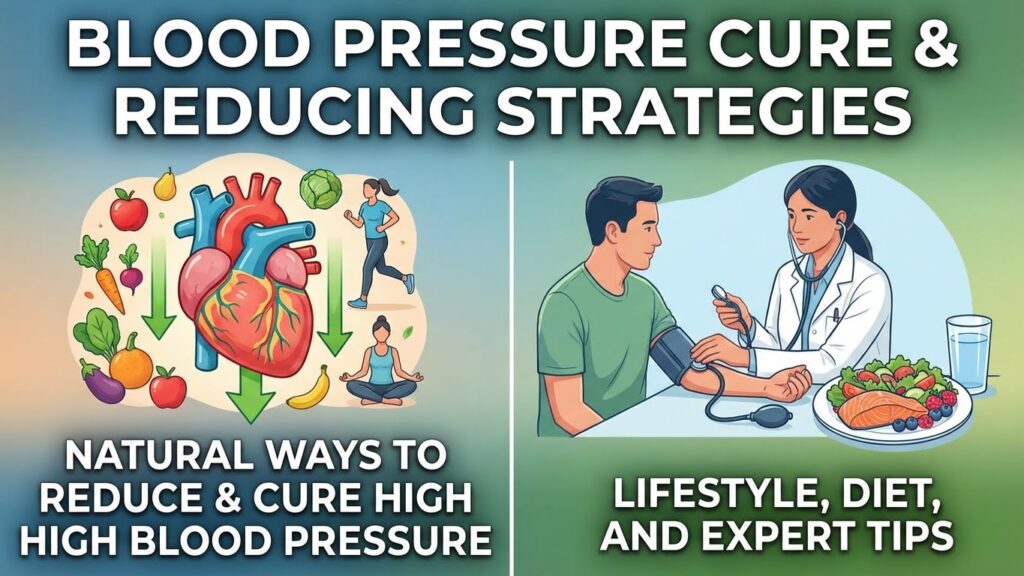
High blood pressure is one of the world’s most common health risks — yet millions of people don’t realize how many daily habits can help control it. While medication is sometimes necessary, there are many proven lifestyle techniques that can naturally lower blood pressure, support heart health, and reduce long-term risk.
This guide explains simple, effective steps you can take starting today.
1. Practice Deep Breathing Every Day
Stress quickly raises blood pressure — but controlled breathing can lower it just as fast.
How to Do It:
- Sit comfortably
- Inhale slowly for 4 seconds
- Hold for 2 seconds
- Exhale for 6 seconds
- Repeat for 5–10 minutes
This activates your body’s relaxation response, lowering stress hormones and easing pressure on your arteries.
2. Reduce Salt Intake
Too much salt forces the body to hold extra water, increasing the pressure on your blood vessels.
Tips to Cut Salt:
- Avoid processed and packaged foods
- Choose fresh meals over fast food
- Read labels (look for “low sodium”)
- Flavor food with herbs instead of salt
Even reducing salt by a small amount can make a major difference.
3. Stay Hydrated
When you’re dehydrated, blood becomes thicker and harder to pump, raising your blood pressure.
Daily Goal:
Drink 6–8 glasses of water a day
(More if you’re in a hot climate like the UAE)
4. Move Your Body for At Least 20 Minutes
Regular physical activity strengthens your heart and helps it pump blood more efficiently.
Heart-Healthy Exercises:
- Brisk walking
- Cycling
- Swimming
- Light jogging
- Home workouts
Aim for 20–30 minutes a day, even if split into small sessions.
5. Eat Foods That Lower Blood Pressure
Certain foods naturally relax blood vessels and support heart function.
Best Foods for Lower Blood Pressure:
- Bananas (potassium)
- Leafy greens
- Berries
- Garlic
- Beetroot
- Yogurt
- Oats
- Olive oil
Add these to your diet daily for long-term benefits.
6. Limit Caffeine and Alcohol
Caffeine and alcohol can temporarily spike blood pressure.
Safer Approach:
- Reduce strong coffee or energy drinks
- Drink alcohol only in moderation
- Avoid both before bedtime
Your blood vessels will thank you.
7. Maintain a Healthy Weight
Extra body weight puts extra pressure on your heart.
Even losing 5% of your body weight can significantly lower blood pressure.
8. Sleep Well
Sleep regulates hormones that control blood pressure.
Poor sleep increases stress, inflammation, and heart strain.
Tips for Better Sleep:
- Avoid screens before bed
- Keep the room dark and cool
- Sleep 7–8 hours nightly
9. Manage Stress
Stress is a major trigger of high blood pressure.
Simple Stress-Lowering Techniques:
- Meditation
- Prayer
- Stretching
- Listening to calm music
- Spending time outdoors
- Limiting social media
Relaxation is just as important as exercise.
10. Monitor Your Blood Pressure at Home
Home monitors give you real, accurate insights into your health.
Check at the same time daily:
- Sit quietly
- Keep arm at heart level
- Avoid caffeine 30 minutes before
- Take 2–3 readings
Tracking your numbers helps you identify changes early.
When to See a Doctor
If your readings consistently stay above:
- 140/90 (high)
- Or you experience symptoms like chest pain, severe headaches, blurred vision, or breathlessness
Seek medical advice immediately.
Medication may sometimes be required — and that’s okay. The goal is to protect your heart and prevent complications.