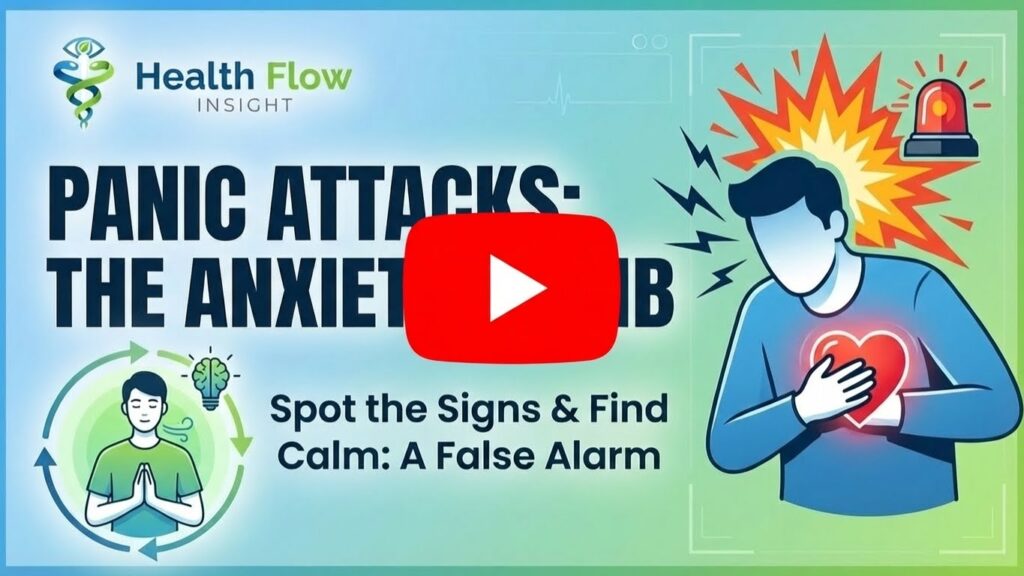
14 Signs You Might Be Experiencing a Panic Attack
Panic attacks can feel sudden, overwhelming, and frightening—often striking without warning. Unlike everyday stress or worry, a panic attack is an intense surge of fear and physical symptoms that can make a person feel like they are in immediate danger. The truth is, while panic attacks feel alarming, they are not physically harmful. Understanding the signs can help you identify what’s happening and take steps to manage it.
Below are 14 of the most common signs of a panic attack and what they may mean for your body.
1. Sudden Onset of Intense Fear
A panic attack often appears out of nowhere. One moment everything feels normal, and the next, your body enters “fight-or-flight” mode. Hormones surge, breathing speeds up, and adrenaline floods your system.
2. No Clear Trigger
Not all panic attacks are caused by stressful events. Sometimes your body reacts to a perceived threat that may not be obvious. Genetics, life stress, and environmental factors can all increase the likelihood of experiencing panic attacks.
3. Short Duration
Most panic attacks peak within minutes. Although the symptoms feel intense, they typically subside on their own once your body realizes there is no actual danger.
4. Chest Pain or Rapid Heartbeat
Many people experiencing a panic attack mistake it for a heart attack. You may feel chest tightness, pounding heartbeat, or palpitations. These symptoms become less severe once the panic begins to ease.
5. Difficulty Breathing
Shortness of breath or hyperventilation is very common. Rapid breathing can make you feel like you’re suffocating or unable to catch your breath.
6. Feeling Faint or Dizzy
The sudden rush of adrenaline and changes in breathing can cause lightheadedness. Some people fear they might faint, but fainting during a panic attack is extremely rare.
7. A Sense of Doom
A panic attack can cause an overwhelming feeling that something terrible is about to happen. You may fear losing control, collapsing, or even dying, even though there is no real danger.
8. Tingling or Numbness
A “pins and needles” sensation in the hands, feet, or face can occur during a panic attack. This happens due to changes in breathing and circulation.
9. Feeling Detached
Some people experience derealization—a sensation where everything feels unreal, dreamlike, or distant. You may feel disconnected from yourself or your surroundings.
10. Sweating or Chills
A panic attack activates the body’s stress response, causing sweating, shivering, or sudden warmth as adrenaline pumps through your system.
11. Throat Tightness
Muscle tension during a panic attack can make your throat feel tight or cause difficulty swallowing, adding to the feeling of panic.
12. Stomach Discomfort
Anxiety affects the digestive system. Nausea, stomach pain, or a churning sensation are common during intense panic episodes.
13. Avoiding Triggers
People who fear another panic attack may begin avoiding places, activities, or situations that remind them of previous episodes. This can disrupt daily life and lead to further anxiety.
14. Exhaustion After the Attack
A panic attack uses a lot of physical and emotional energy. Once it passes, it’s normal to feel extremely tired or drained.
When to Seek Help
Experiencing a panic attack does not always mean you have a panic disorder. However, if panic attacks happen repeatedly or you worry constantly about having another one, it may be beneficial to speak with a healthcare provider.
Early support and understanding can make panic attacks easier to manage and reduce their impact on daily life.